
How to Search Criminal Dockets
Greene County sits on PeachCourt for Superior felony lookups. Start with the Georgia E-Access Court Records directory, which routes users there. It is not one statewide public query screen. PeachCourt asks for an account and posts no anonymous sample docket. Have the full name, filing year, court, and case number ready before you begin.
When the online search misses, go to the clerk. Call the Superior Court clerk at 706-453-3340. You can also visit Suite 109, 113 N Main Street, Greensboro. Magistrate and Probate matters use their own clerks in Suite 113. A city traffic or ordinance case stays with its municipal court.
- Identify the court from the charge, citation, bond paper, or notice.
- Use E-Access and sign in to PeachCourt for a Superior case.
- Search by name or number, then confirm the court and filing year.
- Read each setting, plea, disposition, sentence, warrant, and appeal entry.
- Call or visit the custodian for an older file, copy, or blocked result.
The Greene County case search gives more detail on name and number lookups.
Greene Criminal Dockets Behind PeachCourt
The PeachCourt access page asks for an email and password and offers registration. No free anonymous Greene County criminal docket search appears there. An account page is not proof that every local criminal record is online, either. It is simply one channel among several.
PeachCourt also serves as the mandatory Superior Court e-filing vendor. Filing access and public inspection are different tasks. A party may file papers online. But a reader still needs the clerk for an image, a certified judgment, an old volume, or a restricted entry. That account wall is exactly what the provider's own page shows.

That screen shows why a clerk call stays part of any complete Greene County criminal docket search.
Online miss: A missing result does not prove no case exists. Verify the court, year, spelling, transfer status, and access rule.
What a Criminal Docket Shows
Uniform Superior Court Rule 39.3 lists what a Greene County Superior criminal register must contain. The docket ties together the defendant, offense counts, charging papers, settings, plea, disposition, sentence, and later review. It can point to a transcript or stored record without putting that item online.
| Case identity | Case number, filing date, defendant, lawyer, and OBTS number when used. |
|---|---|
| Charge | Offense and count, indictment or accusation, and case class. |
| Settings and plea | Hearing dates, plea type and date, and jury or nonjury status. |
| Disposition | Outcome, final judge, disposition date, and post-plea events. |
| Sentence | Date, term, conditions, costs, fines, and restitution. |
| Later entries | Transcript, appeal, remittitur, minutes, and storage references. |
Greene County publishes no official local code list. Treat a short label as an index clue, not a complete result, and ask for the filed order when its meaning is unclear.
Greene Criminal Pleas and Dispositions
Plea, disposition, and sentence are three separate events on a Greene County criminal docket. A plea records the response to a charge. Disposition tells how the count ended. Sentence states what the court ordered after a conviction or plea, so one line cannot stand for all three.
- Arraignment
- A hearing where charges are addressed and a plea may be entered.
- Nolle prosequi
- A formal choice by the prosecutor not to proceed on a charge at that time.
- Disposition
- The recorded outcome, such as conviction, dismissal, or acquittal.
- Remittitur
- The document returning an appealed case to the trial court.
Review each count, because counts can end differently. Then check sentence fields, fines, costs, restitution, probation terms, and appeal notices. A later remittitur can add more trial-court action.
Note: Greene County publishes no local abbreviation list, so confirm unclear shorthand with the clerk and the underlying order.
Stages on a Criminal Docket
A Greene County felony may begin with a warrant, first appearance, bond issue, or preliminary hearing in Magistrate Court. Indictment or accusation follows in Superior Court. Each court's docket reflects only its own work. A lower-court number may not match the final Superior Court number.
Docket flow: Warrant or charge › First appearance and bond › Indictment or accusation › Arraignment › Pretrial settings › Plea or trial › Disposition › Sentence › Appeal or remittitur
Check for resets between major events. A continued hearing is not a dismissal, and a bond entry is not a final result. When a transfer is expected, ask Magistrate whether the case reached Superior and which identifier applies.
Greene Criminal Dockets Change Courts
The Greene County Magistrate Court handles warrants, first appearances, bonds, preliminary hearings, and some misdemeanor or bad-check matters. Felony indictments, pleas, sentences, and appeals belong to Superior Court. One name search in one place may show only part of a criminal matter.
| Matter | Custodian | Fallback |
|---|---|---|
| Warrant, first appearance, bond | Magistrate Court | 706-453-3346 or Suite 113 |
| Felony indictment through sentence | Superior Court Clerk | 706-453-3340 or Suite 109 |
| Traffic misdemeanor | Probate or city court | Contact the issuing court |
| Juvenile delinquency | Juvenile process | Ask the Superior Clerk about lawful access |
The District Attorney prosecutes Superior cases but keeps no docket. Requests for a register, order, or certification go to the clerk.
Which Court Holds Criminal Dockets
Greene County Superior Court in the Ocmulgee Judicial Circuit holds the main felony docket. Magistrate handles early stages and limited matters, while Probate handles traffic and certain misdemeanors. Local traffic and ordinance records are separate. Greensboro, Union Point, Woodville, White Plains, and Siloam each keep their own.
The official Greene courts directory lists each court's role and contacts. Georgia's official court-rule directory separates Superior, Juvenile, Probate, Magistrate, and Municipal rules.
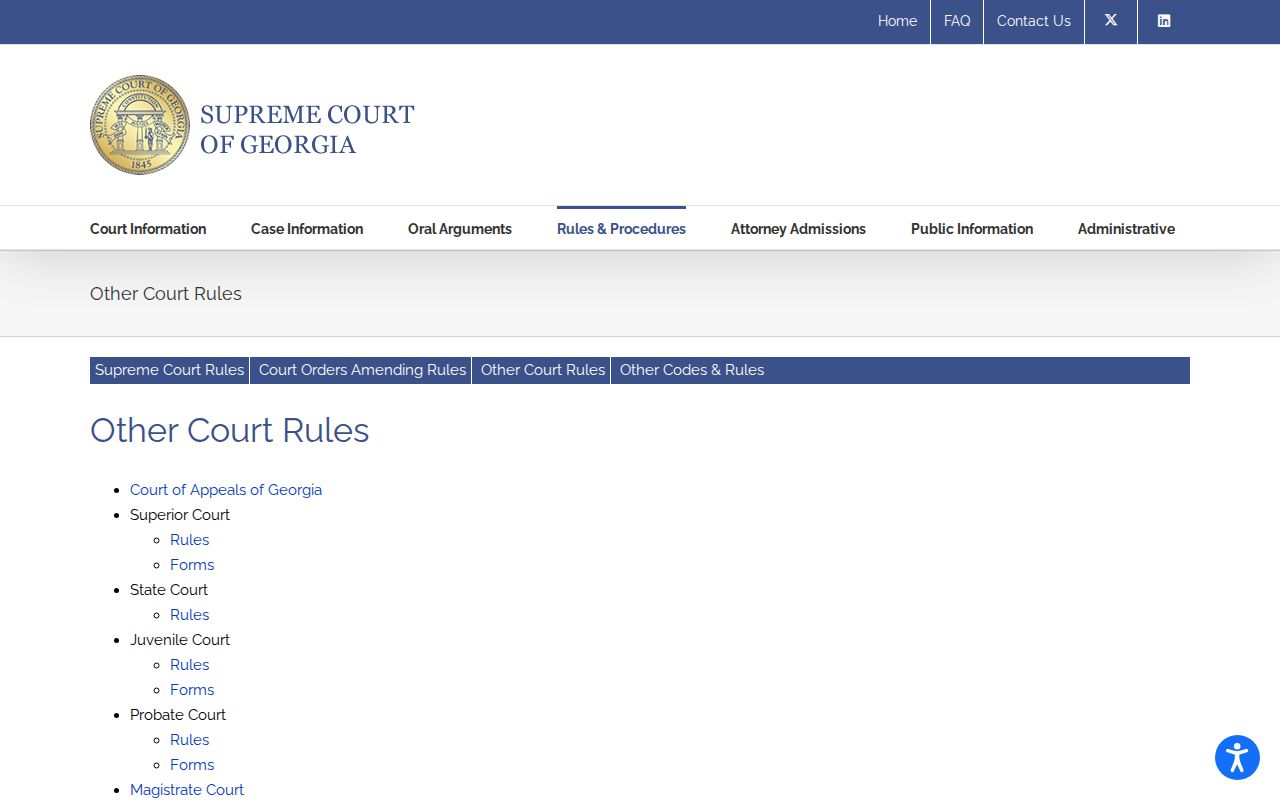
Those separate rules show why the court must be identified first. Only then does a Greene County criminal docket result carry its full weight.
Greene Criminal Dockets and Federal Court
A federal charge never lands in the Greene County criminal court docket. Greene County lies in the Middle District of Georgia. Federal cases there run through CM/ECF and PACER. The Middle District U.S. Attorney prosecutes those matters but serves as no one's docket clerk. The official source lays out that jurisdiction split.
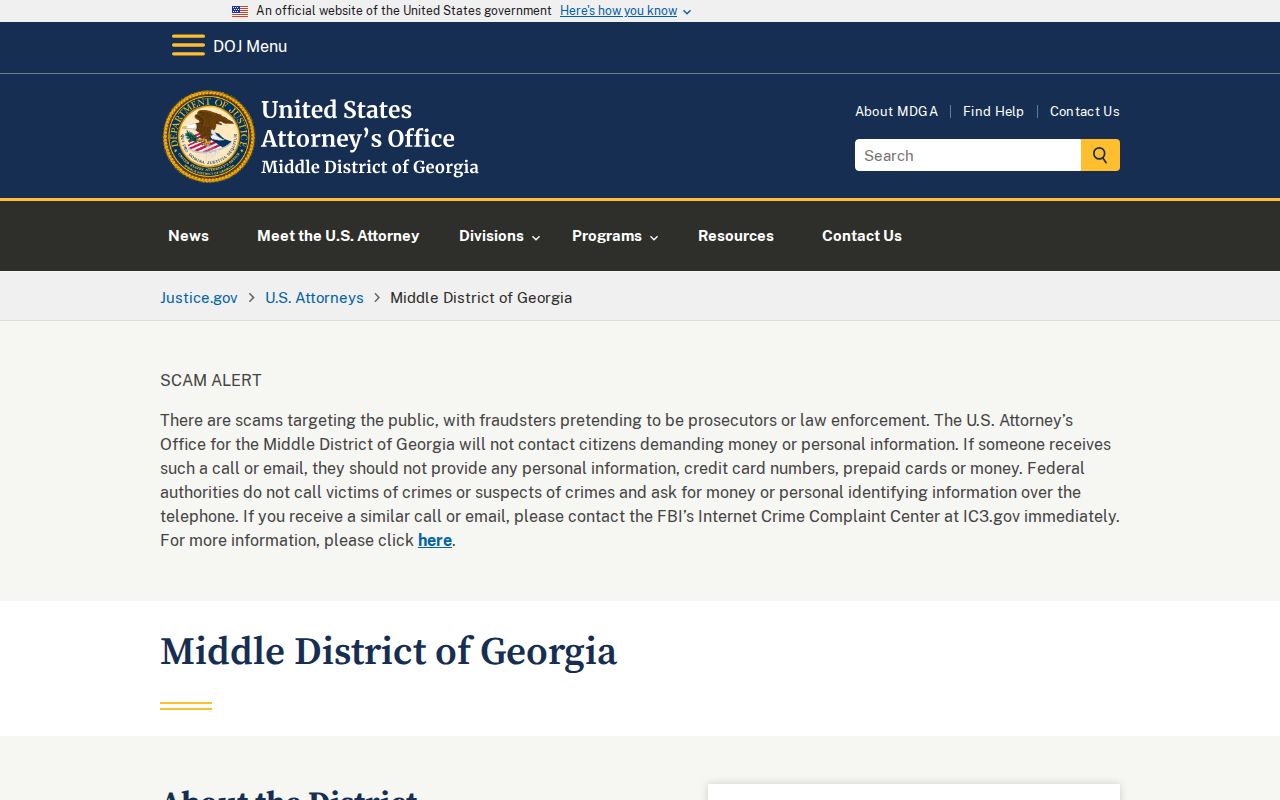
That federal route stands apart. It replaces none of the Greene Superior, Magistrate, Probate, or municipal access.
Public Access to Criminal Dockets
Georgia treats its court records as public, yet the courts themselves sit outside the Georgia Open Records Act, which covers agencies instead. The Georgia Attorney General explains the distinction. That is why a Greene County criminal file request goes to the court clerk rather than the county Board of Commissioners form.
Limits still apply. Uniform Superior Court Rule 21 governs what a court docket can hold back. Rule 36.17 requires redaction of Social Security, taxpayer, account, and birth-year data. Rule 21.6 shields identifiers in family-violence and stalking matters. Juvenile and adoption files face added restrictions. A Greene County docket can also note that a transcript or exhibit exists while keeping it off the online record, so a visit to the clerk may be the only way to see it.
Access rule: Ask whether a redacted copy, docket-only view, or court order can permit inspection. Never treat an absent result as proof no case exists.
Greene Criminal Appeals on Dockets
A sentence or verdict is not always the last entry. Look again at the Greene County criminal docket. Rule 39.3 calls for appeal, transcript, sentence-review, and remittitur fields. So check the docket again. A notice of appeal means the case keeps moving. The transcript record plus the remittitur should appear before anyone treats the matter as final.
Appeals from Greene County go to the Georgia Court of Appeals or the Supreme Court of Georgia, depending on the subject. The trial docket records both the notice and the return of authority. A short appeal label in the index tells you little by itself. Need the full record? Request the notice, appellate order, or remittitur from Deborah D. Jackson, Clerk of Superior Court.
An appeal does not erase the trial docket. It simply adds a second court record that has to be read alongside the first.